General (Ret.) Prof Dr AM Hendropriyono,
Head of the State Intelligence Agency (2001-2004)
The escalation of the conflict between Iran and the United States and Israel following the death of Ayatollah Seyyed Ali Khamenei and the appointment of Ayatollah Seyyed Mojtaba Husayni Khamenei has the potential to prolong the military conflict in the Middle East. The intensity of airstrikes and threats to international shipping lanes, particularly in the Strait of Hormuz, indicate that the conflict has the potential to escalate into a regional war, directly impacting global energy stability.
Uncertainty about the security of global energy shipping lanes and fluctuating oil prices have triggered volatility in global commodity prices, particularly for food, fertilizers, and industrial raw materials. These surges in commodity prices have the potential to trigger inflationary pressures in various countries and disrupt the stability of the global supply chain.
For Indonesia, the global crisis situation has two dimensions: economic risks in the form of imported inflationary pressures and energy supply disruptions, and economic opportunities in the form of rising export commodity prices and the opening of opportunities for accelerated industrialization based on national resources.
National Industrial Opportunities
The Middle East conflict has the potential to accelerate a shift in the global economic architecture toward a pattern of energy, food, and domestic industrial security, opening opportunities for Indonesian commodities to strengthen their strategic position in the global supply chain.
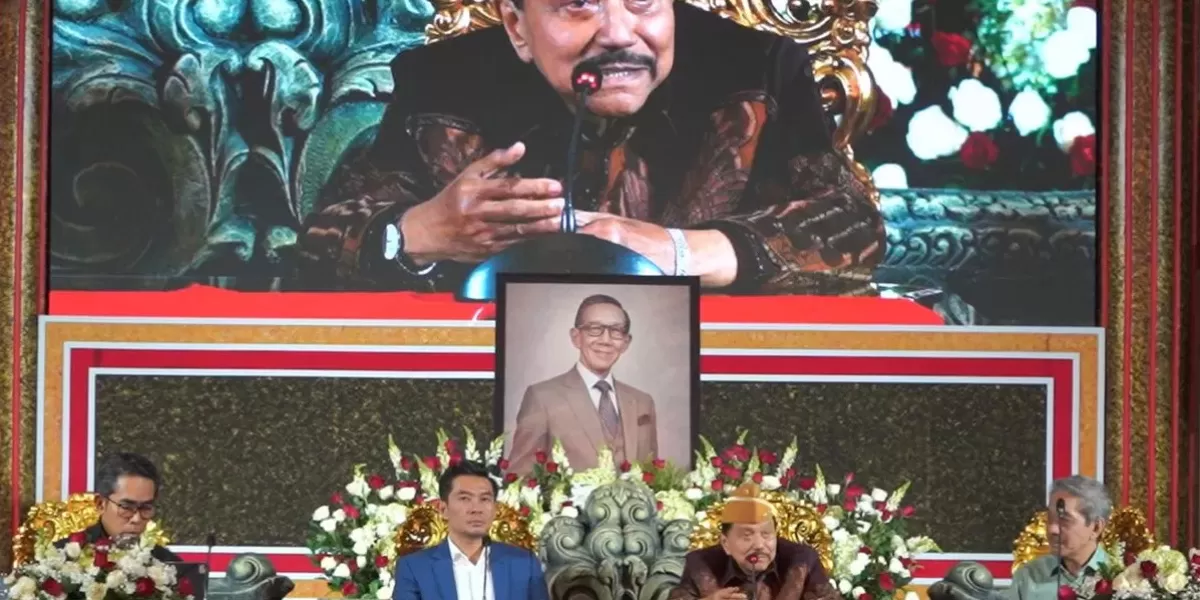
Rising global food, fertilizer, and energy prices could provide momentum for Indonesia to accelerate the development of natural resource-based downstream industries, eliminating its reliance on raw material exports. The global crisis also presents an opportunity for Indonesia to implement a national economic development strategy that is more oriented toward industrial independence and national capitalism, as formulated by Soemitro Djojohadikusumo through the concept of strengthening basic industries and national industrialization.
On the other hand, the dynamics of the Middle East conflict also have the potential to be exploited by domestic radical groups to mobilize ideological sentiments that could disrupt national security stability.
Suggested Policy Steps
To capitalize on strategic opportunities while anticipating the risks of the global crisis, the following policy steps are recommended: